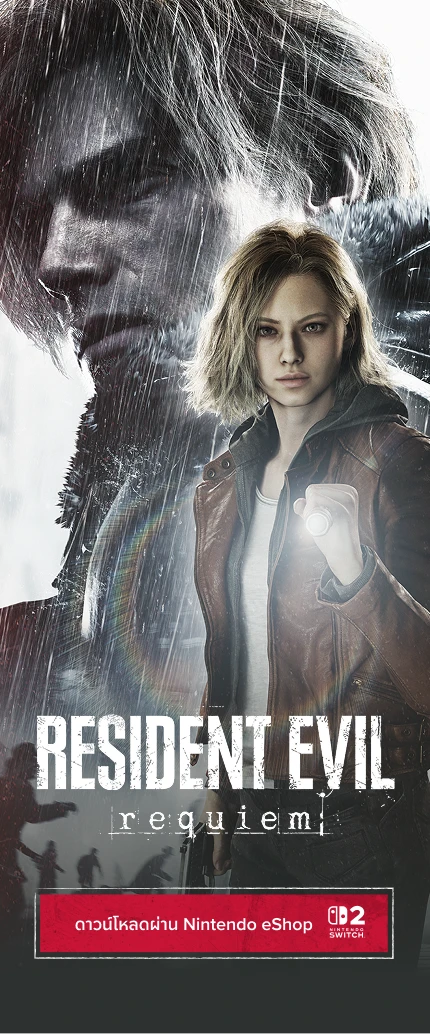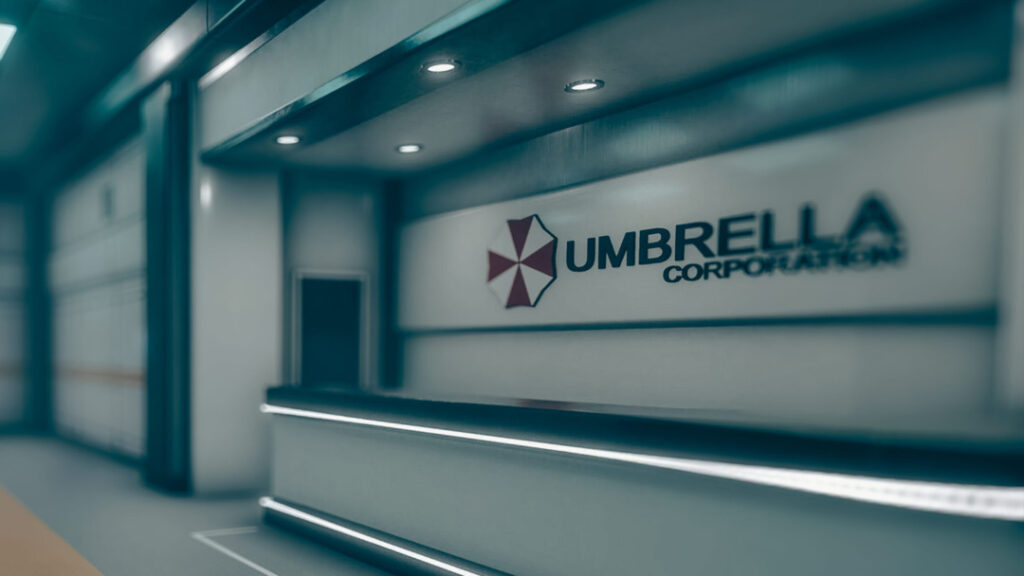
For long-time followers of Resident Evil, it’s well known that the origins of this more than 30-year-old horror saga trace back to the massive pharmaceutical and biopharmaceutical conglomerate known as Umbrella Corporation. While publicly a global leader in pharmaceuticals and biotechnology, behind the scenes it concealed distressing experiments that sparked apocalyptic events worldwide. Today, I’d like to invite everyone to delve deeper into this organization than ever before, to uncover the corrupt truths that served as the genesis of chaos altering the world forever.
Prehistory
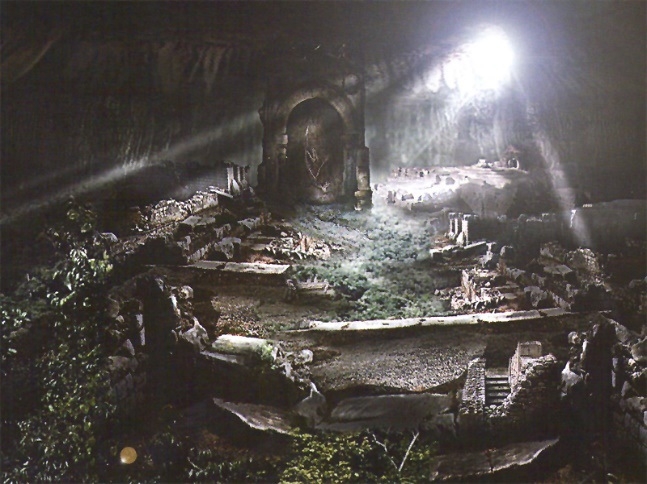
The entire story began thousands of years ago on the African continent, where the Ndipaya tribe discovered ancient flowers growing deep in caves. They accidentally came into contact with the flowers’ poisons, falling ill and dying. However, only one survived, gaining unimaginable power, sharp intellect, and a prolonged lifespan that spanned centuries. Eventually, this individual became the tribe’s king.
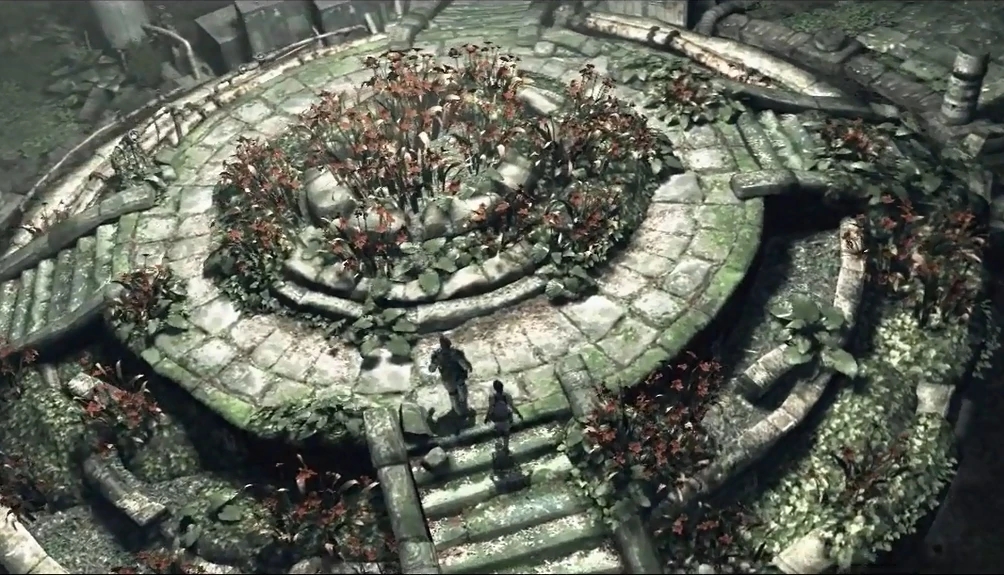
During this period, the Ndipaya tribe established their vast kingdom within the caves. Their king employed advanced engineering skills, surpassing the other civilizations of the world, to create complex mechanisms allowing sunlight into their kingdom. They built the Garden of the Sun to protect these flowers from invaders and constructed stairs leading up to the garden. The Ndipaya tribe used the flowers’ poison in ceremonies to choose their next king. Whoever survived the poison would ascend to the throne. This flower later became known as the “Stairway of the Sun”.
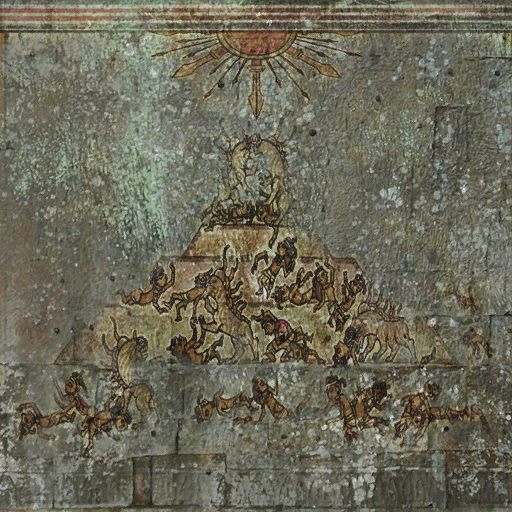
Additionally, it’s said that the Ndipaya not only used the flower in royal selections but also experimented with various animals, turning them into ferocious creatures to which they sacrificed people. These raging beasts, kept within their kingdom, eventually broke free and slaughtered many, including the tribe’s king, leading to the Ndipaya kingdom’s downfall. After the survivors abandoned the city, the beasts killed each other off, and when the remaining tribespeople returned, they couldn’t restore their city without a king. They vowed to protect the Stairway of the Sun from the outside world and forbid discussing the kingdom with outsiders.
1800s

In the 18th century, Henry Travis was deeply fascinated by Africa. He documented everything he encountered in his journals. His family owned the large shipping company, Travis Enterprise, which allowed him to travel extensively worldwide.
Henry meticulously recorded details about nature, wildlife habits, various plants, and indigenous cultures, spending 34 years exploring every nook and cranny of Africa. After his travels, he returned home to publish his 72-volume journal collection as a book titled Natural History Conspectus, hoping to share his knowledge.
Unfortunately, his book was dismissed by scientists after his eldest brother falsely claimed it was all Henry’s fabrication. The brother feared rival companies gaining access to Africa’s resources, insisting that Travis Enterprise should exclusively dominate them. This allegation devastated Henry, leading to depression and his eventual death.
Following Henry’s demise, Travis Enterprise divided into three subsidiaries: maritime transport, resource procurement, and pharmaceuticals. They used Henry’s book as reference material, forming a strong business foundation. Hence, the company was rebranded from Travis Enterprise to TRICELL Incorporated.
1950s
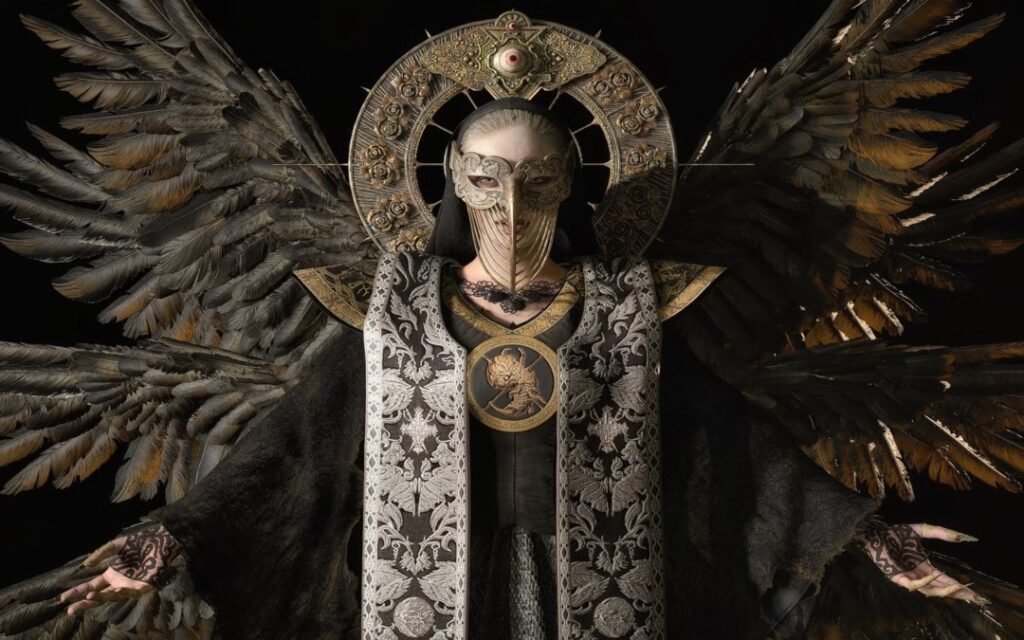
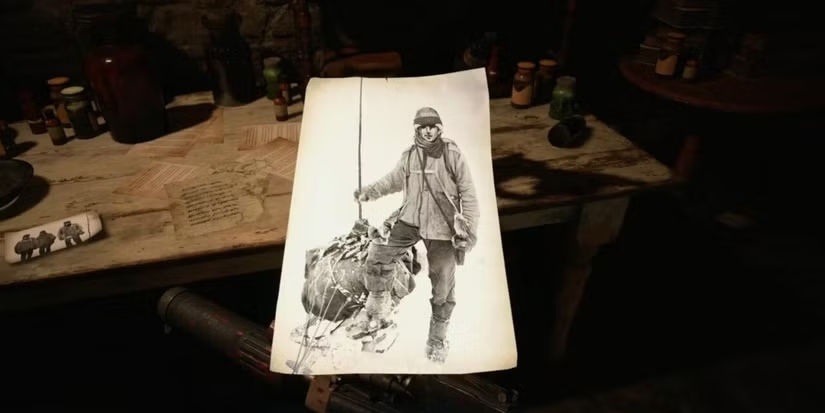
The story of Umbrella Corporation started in the 1950s with a young medical student named Oswell E. Spencer. During a mountain tour in Europe, he got caught in a severe snowstorm and separated from his group, nearly freezing to death. But fate intervened; Spencer was miraculously saved by a mysterious woman named Miranda.
Miranda nursed him back to health and took him to her enigmatic village. Grateful for her aid, Spencer, during his recovery, grew close to Miranda and learned of her research on the Mold. Fascinated by evolution and experimentation, Spencer, leveraging his medical and scientific background, collaborated with her, exchanging ideas and knowledge. He grew to idolize Miranda as a mentor.
Despite closely working together, their goals diverged. The experiment ignited ambitions within Spencer, who believed the Mold might unlock humanity’s next evolutionary step, transcending biological limits and selecting the fittest to survive.
Miranda, however, sought only to resurrect her deceased daughter. This ideological gap forced Spencer to leave without bidding farewell, but deep down, both remained friends, pursuing their individual paths and goals.
1962
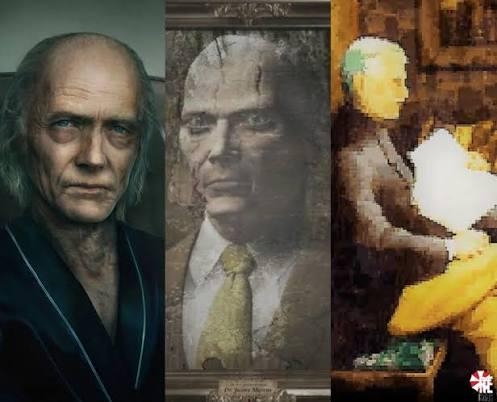
In 1962, Spencer, from a mere medical student, had graduated to become Dr. Oswell E. Spencer. He remained committed to uplifting humanity and, alongside his university friends Dr. Edward Ashford and Dr. James Marcus, became engrossed in eugenics and intrigued by a mysterious ancient flower named Stairway of the Sun, referenced in Henry Travis’s book.
Dr. James Marcus hypothesized that the kings of the Ndipaya tribe gained supernatural powers from these flowers due to an ancient virus causing mutations in humans. This led the three friends to venture into Africa to find this flower. After weeks of searching, they found the ruins of the Ndipaya civilization and the Garden of the Sun. However, accessing the flowers wasn’t easy as the native tribes were unwelcoming and had their reasons for isolating these flowers.
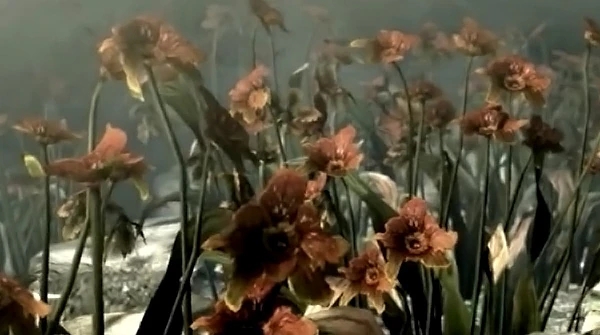
But nothing would deter Spencer. He hired mercenaries for protection to breach the natives’ defenses and reach the flowers. Spencer and his companions quickly harvested the seeds to study them and successfully extracted the ancient virus from the flowers, naming it the Progenitor Virus.
Although the Stairway of the Sun and the discovered virus fascinated Spencer and Edward Ashford, the primary research was spearheaded by Dr. James Marcus and his student Brandon Bailey. Back in Africa, they attempted to cultivate the flower seeds in a lab, replicating the cave’s humidity and temperature as closely as possible. However, despite their efforts, the flower grown outside the Ndipaya caves couldn’t produce the Progenitor Virus, meaning its source was exclusively the Garden of the Sun.
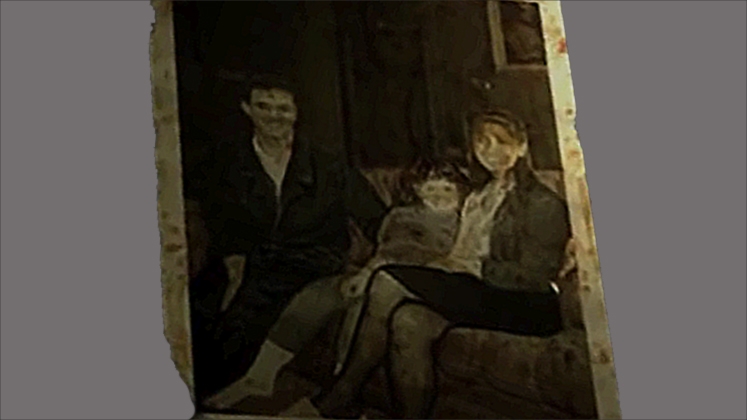
During this time, Spencer hired George Trevor from Trevor & Chamberlain to construct a private mansion in Arklay Mountains near Raccoon City for him, with an unlimited budget. Trevor, allowed creativity, crafted an intricate mansion, full of both beauty and mystery. Spencer was thrilled with Trevor’s work.
1967
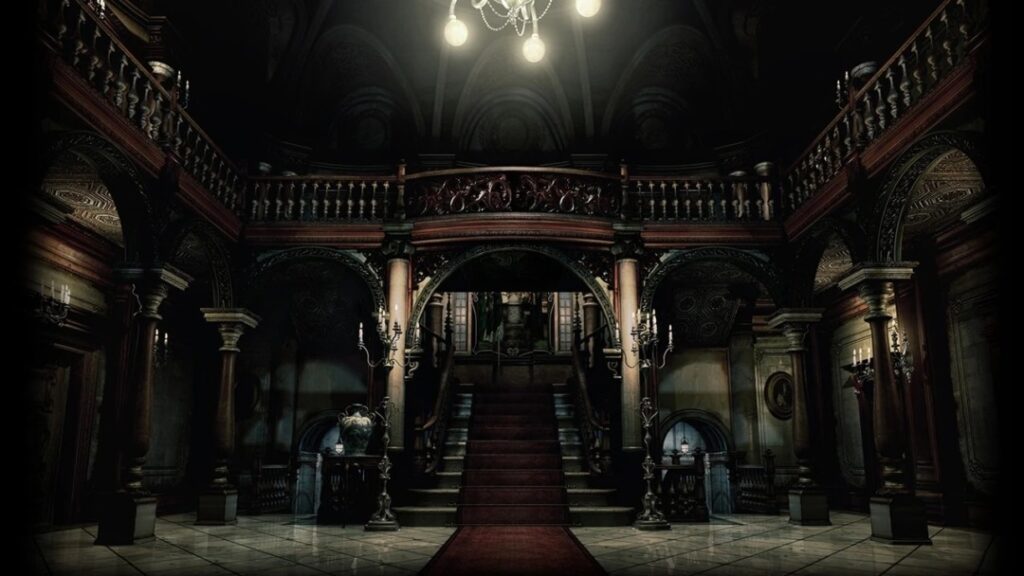
Five years later, the mansion in the Arklay Mountains was completed, including its secret underground laboratory. Spencer planned to establish a company to fund viral research, persuading his friends to join this endeavor. He wrote to Miranda about the Progenitor Virus discovery, deciding to adopt the crests of four noble houses from Miranda’s village as the company’s emblem. This company was named Umbrella Corporation.
Though prepared for experimentation, there was a small issue — George Trevor, the mansion’s architect, knew too much about its secrets. Spencer invited Trevor’s family to a mansion dinner as a thank you, but due to George’s commitments in New York, his wife Jessica and daughter Lisa arrived first, with Trevor to follow later. Arriving, George found neither his wife nor daughter and was told by Spencer they had left as Jessica’s aunt fell ill.
Spencer hosted George warmly, with a special dinner and a mansion tour, a place Trevor knew intimately. Unbeknownst to him, his wife and daughter were about to become Umbrella’s experimental victims.
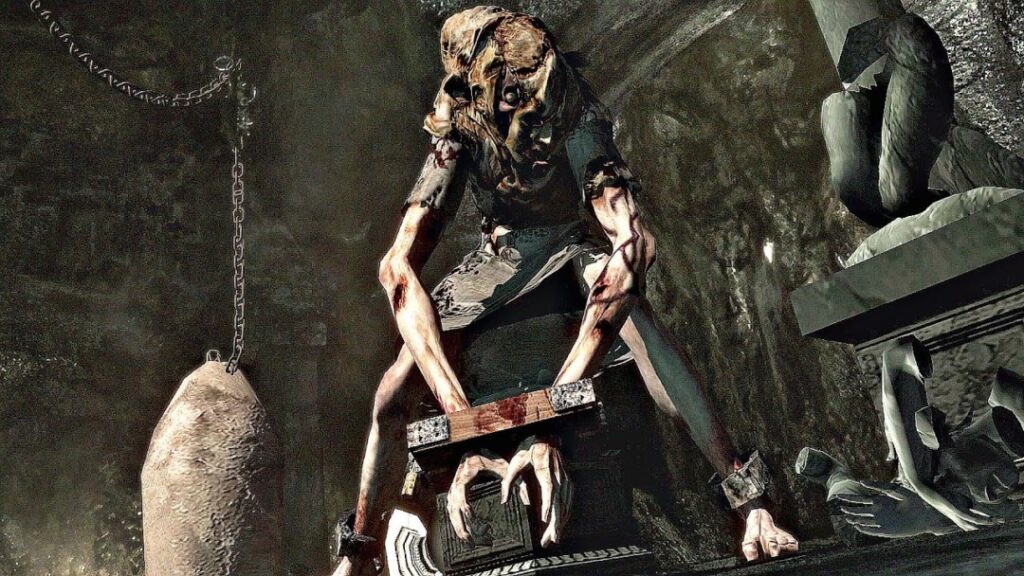
Jessica and Lisa were captured and imprisoned in the underground lab, becoming the first human test subjects for the Progenitor Virus. Jessica was injected with version A and succumbed to its effects, while Lisa’s body resisted version B, gradually fusing with the virus as she was isolated for further study.
Several days later, Trevor noticed frequent scientist appearances and discrepancies in the mansion compared to his plans, arousing suspicion as he sought the truth. Too late, Trevor was drugged and imprisoned in darkness, struggling to survive and escape, only to discover a headstone of himself, realizing Spencer’s betrayal. Ultimately, Trevor perished from prolonged dehydration and starvation.
Umbrella Corporation officially launched, overseen by Dr. Oswell E. Spencer, Dr. James Marcus, and Dr. Edward Ashford, with a media-revealed ceremony at the Arklay mansion in 1968. Outwardly, Umbrella was a legal pharmaceutical entity, but covertly they received massive U.S. government funding for virus research and bioweapons development, positioning America as a superpower.
Meanwhile, amid political intrigue, Dr. James Marcus and his student Brandon Bailey faced setbacks, as Progenitor Virus sources from the Garden of the Sun dwindled. Spencer employed mercenaries to decimate Ndipaya cave tribes, establishing an Umbrella research center, appointing Brandon Bailey as its head, thus resolving their viral extraction issues.
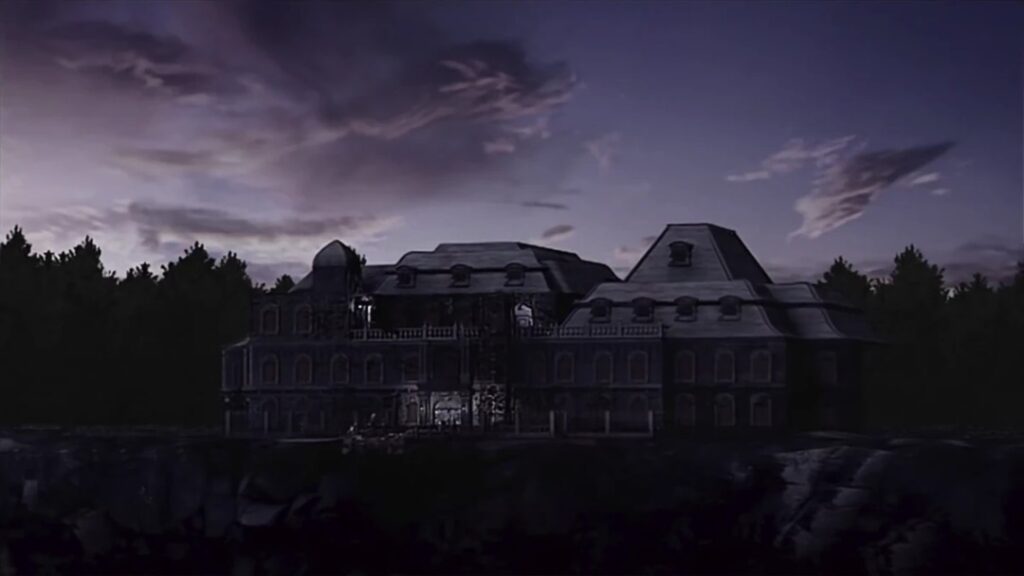
Dr. James Marcus became head of a new facility near Raccoon City, the Umbrella Executive Training School, training potential research leaders with advanced classrooms, labs, and equipment. Officially, Marcus directed the school, while secretly continuing viral research.
Another crucial founder, Dr. Edward Ashford, an accommodating virologist, aligned with Spencer’s plans yet often clashed with him.
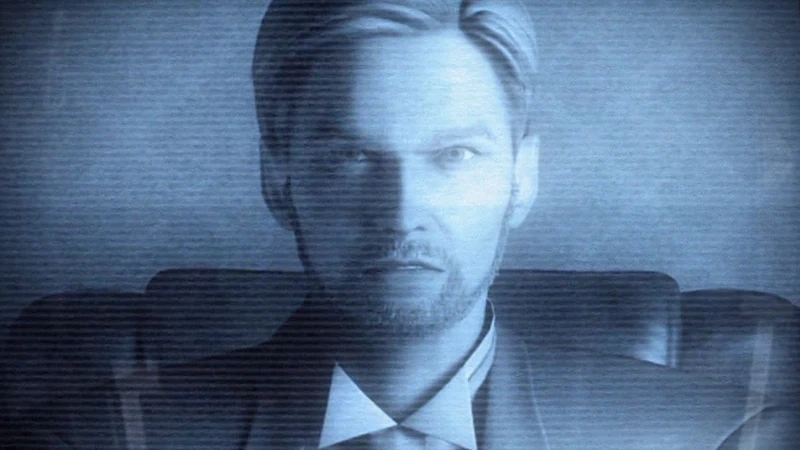
Edward and his son Alexander Ashford devoted themselves to Progenitor Virus research, relocating to their family-owned Rockfort Island in Europe to work politically unhampered. But Umbrella’s conflict originated not externally, but internally, with founders silently vying for leadership. Spencer recognized that, should Marcus and Edward retain control, he might never lead Umbrella outright.
He orchestrated Edward Ashford’s accidental demise, the former friend and visionary, leaving only two company founders. Alexander Ashford inherited the family’s lead role and became a primary Umbrella researcher, running his father’s geneticist path with newfound virus code discoveries he withheld from Umbrella.
1969
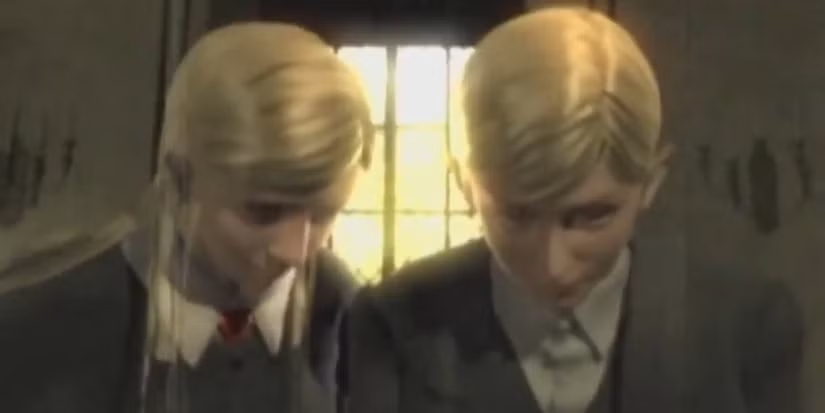
In 1969, Alexander Ashford clandestinely opened a new research facility in Antarctica, intending to keep his findings from Spencer. He used a genetic code he discovered in the Progenitor Virus to explore human cloning, naming the endeavor Project Veronica.
Alexander conducted genetic experimentation, combining ancestor Veronica Ashford’s DNA with Progenitor Virus genetics, successfully creating the first human clone — twin geniuses Alexia and Alfred Ashford.
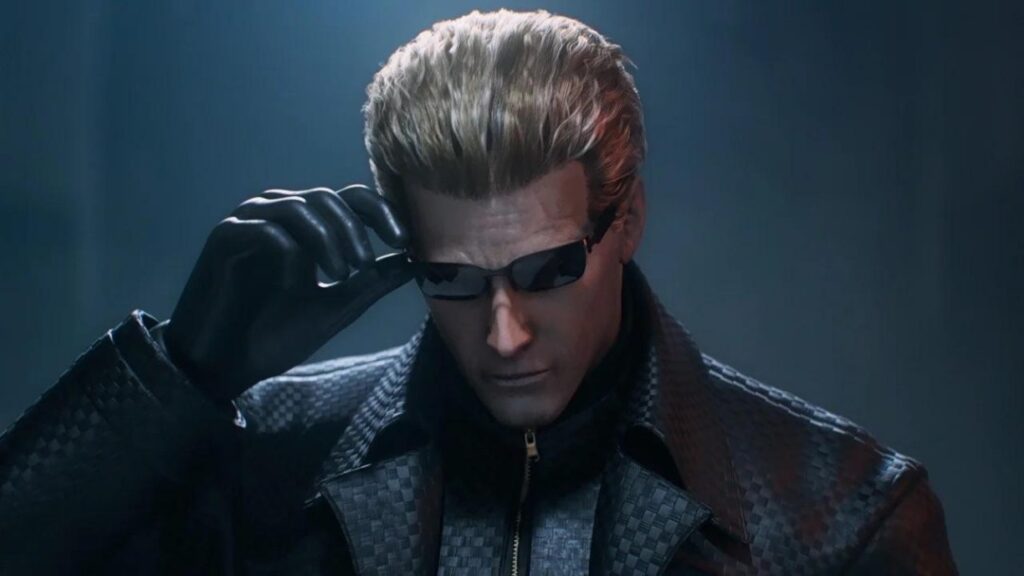
While Dr. James Marcus researched the Progenitor Virus at his school, and Alexander studied human cloning in Antarctica, what was Spencer doing? Captivated by the Ndipaya legends and superhuman powers, he initiated a secret project unrecorded in Umbrella’s database — Project W or The Wesker Plan.
This project aimed to evolve humanity into a superior, educated species in all aspects. Spencer selected over a hundred talented youth for the Spencer Foundation’s care, providing premier education and instilling Spencer’s utopian worldviews. Participants assumed new identities, adopting the head researcher’s surname: Wesker.
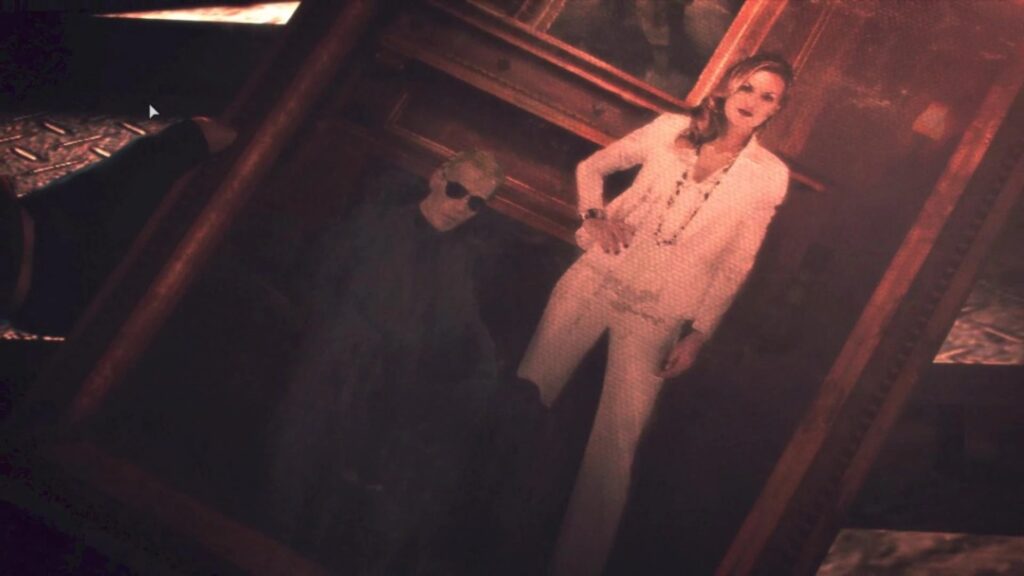
After graduation, only 13 were chosen to proceed, while the rest returned to normalcy, monitored yet leading their own lives. Of the 13, Spencer identified two prodigies — Albert and Alex Wesker — recruiting them into Umbrella.
1977
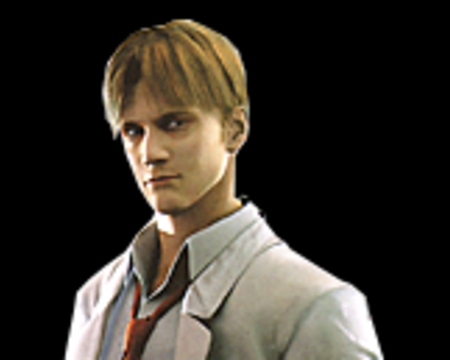
In 1977, Albert Wesker graduated in bioengineering at age 17, joining Umbrella as a researcher at Umbrella Executive Training School, under Dr. James Marcus’s mentorship. There, he met Dr. William Birkin, a like-minded colleague, earning Marcus’s praise. Yet, Marcus distrusted them and didn’t reveal the Progenitor Virus.
Dr. Marcus tried mixing Progenitor Virus genomes with leech genes, discovering a new virus strain, the Tyrant Virus, or T-Virus.
Encouraged by initial experiments, Dr. Marcus tested T-Virus on various animals like frogs, insects, monkeys, and rats with little success. Eventually, he ceased these animal trials. Believing complex models required advancement, Marcus covertly selected Umbrella trainees as human test subjects, determining the new virus’s direction.
Initial test success enamored Marcus with the virus’s power, wanting to use the research as a shortcut to become Umbrella’s top CEO, forging a rivalry with Spencer.
As Marcus prepared to present T-Virus as a potential bioweapon to Umbrella’s board, corporate issued immediate facility closure orders, citing unauthorized trials on Umbrella students as an egregious violation beyond defense, necessitating human trial investigations. This closure order originated from Spencer himself.
After Umbrella Executive Training School closed, Albert Wesker and William Birkin were reassigned to Spencer Mansion. Unbeknownst to Marcus, Wesker and Birkin were Spencer’s moles, stealing T-Virus research. Meanwhile, Marcus delved deeper into solo T-Virus trials.
1981
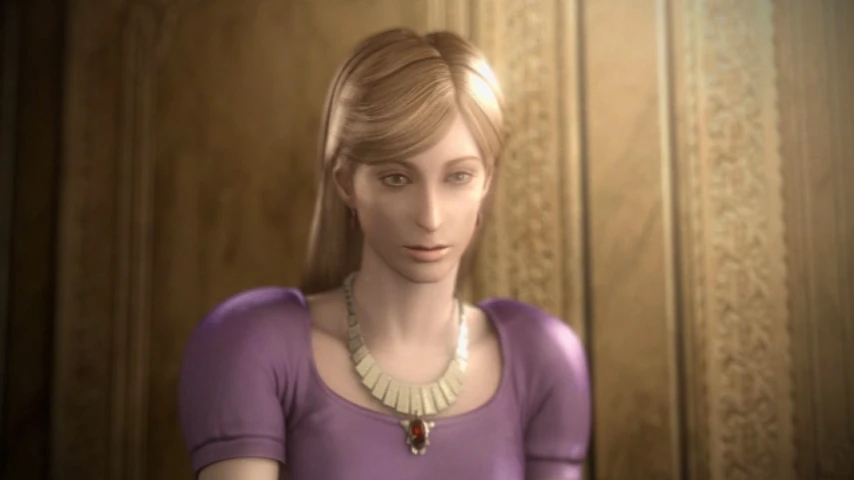
In 1981, Alexia Ashford became the youngest head researcher at Umbrella, aged 10. Her appointment rankled William Birkin, who saw her as a rival, prompting him to accelerate T-Virus development.
Not seeking destructive biochemical weapons like others, Alexia pursued human evolutionary marvels, merging the Progenitor Virus with ancient queen ant genetics, creating the T-Veronica virus.
As Umbrella’s most successful researcher, surpassing William Birkin in all aspects, his envy and animosity toward Alexia grew. Reclusive, with few friends, Alexia’s twin Alfred admired and supported her, though she treated him like a subordinate.